
Water treatment technologies have come a long way, evolving from rudimentary filtration methods to highly advanced techniques. Among the technologies that have gained prominence in recent years, Ceramic Flat Sheet Membranes stand out as a high-performing and versatile solution. Let’s dive into what exactly these membranes are, their unique features, and their varied applications.

Introduction
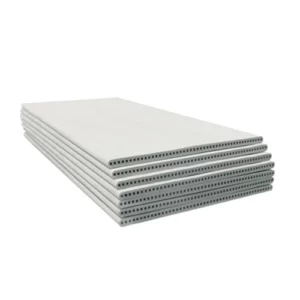
Ceramic flat sheet membranes are plate-shaped inorganic filters made predominantly from aluminum oxide. Manufactured through specialized processes, these membranes excel in tough environments under strong acids, alkaline solutions, or even high temperatures. The adoption of these membranes in water treatment projects is increasing due to their simple structure, high efficiency, ease of operation, and energy-saving capabilities.
Key Features of Ceramic Flat Sheet Membranes
1. Durability and Longevity
Made from inorganic ceramic material, these membranes promise an extended service life. Unlike their organic counterparts, their robust construction ensures they don’t wear out quickly.
2. Resistance to Harsh Conditions
The ceramic flat sheet membrane can withstand it all, whether it’s acid, alkali, high temperature, or organic solvents. Its resistance attributes make it apt for environments with stringent working conditions.
3. Stable Performance
Issues like broken wires in hollow fiber organic membranes or deformation in flat organic membranes? You won’t encounter them here. These membranes guarantee stable, efficient operation without the hassles of frequent maintenance.
4. Cost and Efficiency Advantages
Flat ceramic membranes steal the show when pitted against traditional tubular ceramic membranes. They offer greater filling areas, require lower operating pressures, and significantly reduce operational and investment costs.
Filtration Mechanism of Ceramic Flat Sheet Membrane
How it Works
The ceramic flat sheet membrane employs a suction-based filtration method. Within the membrane is a vertical water-collecting pipe. Horizontal water-collecting pipes are connected to a suction pump at both longitudinal ends. As the pump activates, sewage enters the surface on both sides of the membrane. Here, impurities such as suspended matter and pollutants are efficiently captured.

Pore Size and Efficiency
The typical pore size ranges between 0.05 and 0.2um, making these membranes apt for microfiltration and also suitable for ultrafiltration.
Specifications and performance parameters of flat sheet membrane
| Membrane type | Flat sheet membrane |
| Filter method | Outside-in and inside-suction |
| Aperture size | 0.1um (other specifications can be customized) |
| Dimensions (L*W*T) | 1000*250*6mm |
| Weight (dry weight) | 1.9kg |
| Membrane area | 0.5 m² |
| Ion removal rate | ≥95% (for ions above 100nm) |
| PH tolerance | 2-12 |
| Operating temperature | 60℃ |
Specifications and parameters of flat membrane modules
| Types | 2.5 m² | 25 m² | 50 m² | 100 m² | 200 m² |
| L*W*H(mm) | 456*367*855 | 1010*320*1800 | 1720*320*1800 | 1720*720*1800 | 1720*720*3250 |
| Number of membrane elements (pieces) | 10 | 50 | 100 | 200 | 400 |
| Weight (kg) | 22 | 200 | 310 | 680 | 1280 |
Applications of Ceramic Flat Sheet Membrane
Industrial Wastewater Treatment
Combining Membrane Bioreactor (MBR) and Reverse Osmosis (RO), ceramic flat membranes effectively treat industrial wastewater, solving problems like broken fibers in hollow fiber membranes and abnormal RO operations.
Oily Wastewater Treatment
Especially useful in treating corrosive wastewater in oilfields, flat ceramic membranes are the go-to due to their large filling area and low operating costs.
Seawater Desalination
These membranes are increasingly being used in the desalination field.
Domestic Sewage Treatment
Their robustness and efficiency make them ideal for treating domestic sewage as well.
Conclusion
Ceramic flat sheet membranes are an innovative solution in water treatment, offering various advantages from robustness to cost-efficiency. Their versatility in applications ranging from industrial wastewater treatment to seawater desalination makes them invaluable in our ever-pressing quest for cleaner, safer water. Given their impressive range of features and high performance, they undeniably pave the way for the future of water treatment technologies.
FAQs
What are the main components of a ceramic flat sheet membrane?
The membrane is primarily made from inorganic ceramic materials, mainly aluminum oxide, while the water collection part is usually made from high molecular polyethylene.
How is the filtration achieved?
Filtration is primarily done through suction, capturing impurities as water flows through the membrane under a suction pump.
What are the typical pore sizes?
The common pore sizes range between 0.05 and 0.2um.
How do ceramic flat sheet membranes compare with tubular ceramic membranes?
Flat ceramic membranes offer a larger filling area, lower operating pressures, and lower costs than tubular ceramic membranes.
Can these membranes work in extreme conditions?
Yes, they are highly resistant to acids, alkalis, high temperatures, and even corrosive environments.



 English
  German
  Spanish
  French
  Italian
  Russian
  Turkish
  Dutch
Dutch  Polish