
Ever wondered what is a ceramic membrane filter and why industries are increasingly turning to this technology for their filtration needs? You’re not alone. As someone who’s spent years diving deep into industrial technologies, I can tell you that ceramic membrane filters are revolutionizing how we approach liquid separation and purification.
Here’s the deal:
Ceramic membrane filters are becoming the go-to solution for businesses that need reliable, long-lasting filtration systems. And there’s a good reason for that.
As a professional ceramic flat membrane manufacturer, let me break down everything about the ceramic membrane filters for you.

What Is a Ceramic Membrane Filter?
A ceramic membrane filter is a type of inorganic membrane made from rigid materials like alumina (Al₂O₃), titania (TiO₂), zirconia (ZrO₂), or silicon carbide (SiC).
Think of it as a super-advanced sieve that separates particles, microorganisms, and suspended solids from liquids based on size.
But here’s what makes it special:
Unlike traditional polymer membranes, ceramic membranes are TOUGH. We’re talking about filters that can handle extreme conditions that would destroy regular filters in minutes.
The filtration happens through a physical barrier process. You apply pressure across the porous ceramic material, and voilà – clean liquid comes out one side while contaminants stay behind.
Pretty neat, right?
How Do Ceramic Membranes Actually Work?
Now let’s get into the nitty-gritty of how these bad boys operate.
The process is actually simpler than you might think:
The Cross-Flow Filtration Process
Here’s where things get interesting.
Ceramic membrane filtration uses something called “cross-flow filtration.” Instead of pushing all the liquid straight through the filter (like your coffee filter at home), the feed water flows tangentially across the membrane surface.
Why does this matter?
Well, it prevents the filter from clogging up too quickly. The continuous flow sweeps away particles that would otherwise build up on the surface.
The Three-Layer Structure
Most ceramic membranes have a three-layer structure:
- Support Layer: The thick, porous backbone that provides mechanical strength
- Intermediate Layer: Acts as a transition between the support and separation layers
- Separation Layer: The ultra-thin layer where the actual filtration magic happens
Each layer has different pore sizes, working together to create an incredibly efficient filtration system.
Key Advantages That Make Ceramic Membranes Stand Out
Let me tell you why industries are willing to invest in ceramic membrane technology.
Exceptional Durability
These filters are built like tanks. We’re talking about a lifespan of 15-20 years or more.
Compare that to polymer membranes that typically need replacement every 3-5 years, and you can see why the long-term economics make sense.
Chemical Resistance That’s Off the Charts
Here’s something that blew my mind when I first learned about it:
Ceramic membranes can handle pH levels from 0 to 14. That’s the ENTIRE pH scale.
You can clean them with:
- Strong acids
- Caustic alkalis
- Chlorine bleach
- Even steam sterilization
Try doing that with a polymer membrane. Spoiler alert: you can’t.
Temperature Tolerance
While polymer membranes start breaking down at around 40°C (104°F), ceramic membranes laugh in the face of heat.
They can operate at temperatures up to several hundred degrees Celsius. This opens up applications that were previously impossible with traditional filtration methods.
Low Fouling Properties
Remember how I mentioned cross-flow filtration earlier?
Well, ceramic materials are naturally hydrophilic (water-loving) and repel oils. This means less gunk builds up on the membrane surface, maintaining stable filtration rates for longer periods.
Real-World Applications (Where the Rubber Meets the Road)
Now for the fun part – where are these ceramic membranes actually used?
Water Treatment
This is the big one. Ceramic membranes are crushing it in:
- Drinking water production: Removing bacteria, viruses, and turbidity
- Wastewater treatment: Handling industrial and municipal wastewater
- Water recycling: Turning wastewater into reusable water
I’ve seen installations that have been running for over 18 years with minimal performance loss. That’s incredible reliability.
Food and Beverage Industry
The food industry LOVES ceramic membranes because they can handle:
- High-temperature sterilization
- Aggressive cleaning chemicals
- Daily sanitization cycles
Common applications include:
- Wine and beer clarification
- Fruit juice processing
- Dairy product concentration
- Soy sauce production
Chemical and Pharmaceutical
When you’re dealing with aggressive solvents and need absolute purity, ceramic membranes are often the only viable option.
They’re used for:
- Separating and purifying chemicals
- Processing pharmaceutical ingredients
- Handling aggressive solvents
Oil and Gas
This is where ceramic membranes really shine. They can handle:
- Produced water treatment
- Oil-water separation
- Refinery wastewater
The ability to withstand high temperatures and oil contamination makes them perfect for these challenging applications.
Different Types of Ceramic Membrane Configurations
Not all ceramic membranes are created equal. Here are the main types you’ll encounter:
Tubular Membranes
These are the workhorses of the ceramic membrane world. They consist of tubes with multiple flow channels inside.
Pros:
- Handle high solids content
- Easy to clean
- Long lifespan
Cons:
- Lower packing density
- Higher initial cost
Flat Sheet Membranes
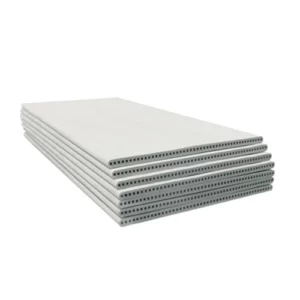
These look like ceramic plates and are often used in submerged configurations.
Pros:
- High surface area per unit
- Good for MBR applications
- Lower energy consumption
Cons:
- More complex installation
- Limited to certain applications
Hollow Fiber Membranes
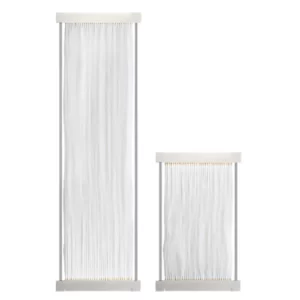
These are tiny tubes bundled together, offering maximum surface area in a compact design.
Pros:
- Highest packing density
- Lower footprint
- Good for clean feed streams
Cons:
- More prone to fouling
- Harder to clean
The Filtration Spectrum: From Microfiltration to Nanofiltration
Ceramic membranes aren’t one-size-fits-all. They come in different pore sizes for different jobs:
Microfiltration (MF)
- Pore size: 0.1 – 10 microns
- Removes: Bacteria, suspended solids, large particles
- Applications: Pre-treatment, clarification
Ultrafiltration (UF)
- Pore size: 0.01 – 0.1 microns
- Removes: Viruses, proteins, colloids
- Applications: Water purification, protein concentration
Nanofiltration (NF)
- Pore size: 0.001 – 0.01 microns
- Removes: Small molecules, some salts
- Applications: Softening, color removal
Installation and System Design Considerations
Here’s where things get practical.
Installing a ceramic membrane system isn’t just about buying the membranes. You need to think about:
Pre-treatment Requirements
Even though ceramic membranes are tough, they still benefit from pre-treatment:
- Coarse screening: Removes large particles that could block channels
- Oil removal: For applications with high oil content
- pH adjustment: In some cases
System Components
A typical ceramic membrane system includes:
- Feed pumps
- Pre-filters
- Membrane modules
- Backwash system
- Chemical cleaning system
- Control panel
Design Considerations
When designing a system, consider:
- Flux rates: How much water you need to process
- Recovery rates: What percentage of feed becomes permeate
- Cleaning frequency: Based on your feed water quality
- Footprint: Available space for installation
Maintenance and Cleaning (The Secret to Long Life)
Want to know the secret to getting 20+ years from your ceramic membranes?
Proper maintenance.
Regular Backwashing
This is your first line of defense against fouling:
- Frequency: Every 20-60 minutes typically
- Duration: 30-60 seconds
- Method: Reverse flow with permeate or compressed air
Chemical Cleaning
When backwashing isn’t enough:
- Acid cleaning: Removes inorganic scale
- Alkaline cleaning: Removes organic fouling
- Oxidant cleaning: Removes biological fouling
Pro tip: The ability to use aggressive chemicals is one of ceramic membranes’ biggest advantages. Use it!
Performance Monitoring
Keep an eye on:
- Transmembrane pressure
- Permeate flow rate
- Permeate quality
- Temperature
Any significant changes indicate it’s time for cleaning or investigation.
Cost Considerations: The Full Picture
Let’s talk money.
Yes, ceramic membranes have higher upfront costs than polymer membranes. But here’s what most people miss:
Total Cost of Ownership
When you factor in:
- 20+ year lifespan
- Reduced replacement frequency
- Lower chemical costs
- Higher recovery rates
- Less downtime
The economics often favor ceramic membranes, especially for challenging applications.
When Ceramic Makes Financial Sense
Ceramic membranes are most cost-effective when:
- You have aggressive feed water
- High temperature operation is needed
- Long-term reliability is critical
- Downtime is expensive
- Chemical resistance is required
Future Trends and Innovations
The ceramic membrane industry isn’t standing still. Here’s what’s coming:
Advanced Materials
Researchers are developing:
- Silicon carbide membranes with even better properties
- Hybrid ceramic-polymer membranes
- Catalytic membranes for simultaneous separation and reaction
Smart Systems
The future includes:
- AI-powered optimization
- Predictive maintenance
- Real-time fouling detection
- Automated cleaning cycles
New Applications
Emerging uses include:
- Direct potable reuse
- Zero liquid discharge systems
- Resource recovery from waste streams
- Green hydrogen production
Making the Right Choice for Your Application
So, should you use ceramic membranes?
Here’s my framework for deciding:
Choose Ceramic When You Have:
✅ Aggressive chemicals or solvents
✅ High temperature requirements
✅ Need for long-term reliability
✅ Challenging feed water conditions
✅ Strict regulatory requirements
Consider Alternatives When:
❌ Feed water is clean and consistent
❌ Budget is extremely tight
❌ Application is temporary
❌ Low temperature operation only
❌ Simple separation needs
Bottom Line
Understanding what is a ceramic membrane filter and its capabilities can transform how you approach filtration challenges. These robust, versatile systems offer unmatched durability and performance in demanding applications. While the initial investment may be higher, the long-term benefits – from extended lifespan to superior chemical resistance – often make ceramic membranes the smart choice for industrial filtration needs.
Whether you’re dealing with wastewater treatment, food processing, or chemical separation, ceramic membrane technology provides a reliable, efficient solution that stands the test of time.



 English
  German
  Spanish
  French
  Italian
  Russian
  Turkish
  Dutch
Dutch  Polish