
Hollow fiber membrane technology has surged in various industries due to its efficiency in filtration and separation processes. However, despite the numerous applications and benefits, it is essential to fully understand the disadvantages of hollow fiber membrane technology’s limitations and challenges.

What Are the Disadvantages of Hollow Fiber Membrane?
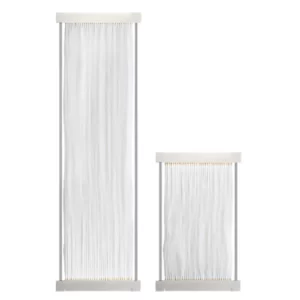
The technology of hollow fiber membranes represents a significant advancement in separation and purification. These fibers, thin as strands of hair, with their porous characteristics, have carved a niche in various applications, from medical therapies to water treatment. Yet, every coin has two sides, and it’s imperative to contemplate the drawbacks accompanying this technology’s merits. Such as fouling, fragility, short durability, chemical resistance, and high operating costs.
The Challenge of Fouling
Membrane fouling remains the principal hurdle for hollow fiber membranes. The accumulation of particles or microorganisms can clog the membrane’s pores, drastically diminishing its effectiveness. Insidious in nature, fouling can lead to increased pressure drop, higher energy consumption, and a need for more frequent cleaning or replacement, thus inflating operational costs and diminishing the lifespan of the membrane.
Fouling is not merely a decline in performance; it is a complex problem that intertwines with the chemical and physical properties of the materials involved. For instance, biofouling is a persistent issue in bioreactors, where the biological material forms a layer that is difficult to eradicate.
Fragility and Durability Concerns
Hollow fiber membranes, while advantageous for their high surface area and efficiency, are also notorious for their fragility. The strands, delicate and thin, are prone to breakage. This fragility necessitates careful handling, which can complicate maintenance and operations. Once broken, these fibers cannot be repaired, leading to ineffective filtration or even complete system failure.
Moreover, the durability of hollow fiber membranes tends to be shorter than other membrane forms like flat-sheet or spiral-wound configurations. This shorter lifespan is another factor that increases the total cost of ownership as the need for replacements becomes more frequent.
Chemical Resistance Limitations
Chemical attack is another disadvantage of hollow fiber membrane technology. Depending on the polymer makeup of the membrane, certain solvents or the pH levels of the processed fluids can significantly deteriorate the membrane’s structural integrity. Restricted chemical compatibility can severely limit the range of applications for which these membranes are suitable, placing them at a disadvantage compared to other membranes with broader chemical resistance.
High Capital and Operating Costs
Although the initial capital cost of hollow fiber membrane systems may be moderate, their operating expenses can rapidly escalate. The necessity of frequent cleaning, potential downtime due to fouling or breakages, and the inevitable replacement costs due to the membranes’ limited lifespan contribute to a higher cost over time. This economic aspect is crucial for industries where cost-effectiveness is paramount, and thus, the selection of membrane technology must be executed judiciously.
As we venture further into 2024, the challenges presented by the disadvantages of hollow fiber membranes demand innovative solutions. Developing more robust, fouling-resistant, and longer-lasting membranes could be the key to unlocking even more significant potential for these versatile systems.
In Conclusion
In summary, hollow fiber membrane technology is a double-edged sword that offers outstanding benefits in terms of efficiency and application possibilities but does not escape the drawbacks of fouling, fragility, chemical limitations, and cost implications. Therefore, a balanced approach to adopting this technology is indispensable, weighing its disadvantages against its use-case scenarios’ specific needs and constraints.



 English
  German
  Spanish
  French
  Italian
  Russian
  Turkish
  Dutch
Dutch  Polish