
Ever wondered why some water treatment plants can handle the nastiest industrial wastewater while others struggle with basic filtration?
The secret often lies in ceramic membranes.
What Are Ceramic Membranes for Water Treatment?
What are ceramic membranes for water treatment? They’re advanced filtration systems made from inorganic materials like alumina and silicon carbide that separate contaminants from water through tiny pores. Think of them as super-tough sieves that can handle extreme conditions where traditional filters would fail.
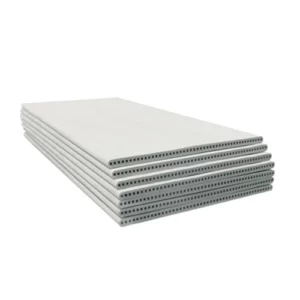
As a professional ceramic flat membrane manufacturer, I’ve spent years analyzing water treatment technologies, and ceramic membranes consistently outperform other options in harsh environments. Let me show you exactly how they work and why they’re becoming the go-to choice for challenging water treatment applications.

How Ceramic Membranes Actually Work
Here’s the thing:
Ceramic membranes aren’t your typical water filter. They use a crossflow filtration process that’s fundamentally different from what you’d find in a home water filter.
When wastewater enters the system, a feed pump creates pressure that pushes water through the membrane’s microscopic pores. Clean water (called permeate) passes through while contaminants get trapped and concentrated.
The genius part? Most of the water flows across the membrane surface rather than directly through it. This tangential flow continuously sweeps away trapped particles, preventing the clogging that plagues traditional filters.
The Materials That Make the Magic Happen
Ceramic membranes get their superpowers from their construction materials:
- Alumina (Al₂O₃): The workhorse material, offering excellent chemical resistance
- Silicon Carbide (SiC): My personal favorite for high-flux applications
- Titania (TiO₂): Great for specialized applications requiring photocatalytic properties
- Zirconia (ZrO₂): When you need extreme durability
I recently visited a facility using silicon carbide membranes to treat oily wastewater. After 5 years of continuous operation, they were still hitting 98% oil removal rates. Try that with a polymeric membrane.
The Four Types of Ceramic Membrane Filtration
Not all ceramic membranes are created equal.
They’re categorized by pore size, and each type tackles different contaminants:
1. Microfiltration (MF)
- Pore size: 0.1 to 10 microns
- Removes: Bacteria, suspended solids, large particles
- Real-world example: A brewery I consulted for uses MF to clarify beer without affecting taste
2. Ultrafiltration (UF)
- Pore size: 0.01 to 0.1 microns
- Removes: Viruses, proteins, colloids
- Application: Municipal drinking water plants love these for pathogen removal
3. Nanofiltration (NF)
- Pore size: 1 to 10 nanometers
- Removes: Divalent ions, pesticides, pharmaceuticals
- Use case: Water softening without completely demineralizing
4. Reverse Osmosis (RO)
- Pore size: <1 nanometer
- Removes: Almost everything including salts
- Note: Ceramic RO membranes are rare due to manufacturing challenges
Why Ceramic Membranes Beat Traditional Options
Let me be blunt:
If you’re dealing with challenging water conditions, ceramic membranes blow polymeric membranes out of the water.
Here’s why:
Chemical Resistance That’s Off the Charts
Traditional membranes cry when they see pH extremes. Ceramic membranes? They laugh at pH 0-14 conditions.
I’ve seen ceramic systems handle:
- Concentrated acids that would dissolve polymeric membranes
- Caustic cleaning solutions at 80°C
- Oily wastewater mixed with solvents
Temperature Tolerance Like No Other
Most polymeric membranes tap out at 40°C. Ceramic membranes can handle temperatures up to 350°C.
This means you can:
- Steam sterilize without damage
- Process hot industrial effluents directly
- Use aggressive hot chemical cleaning
Longevity That Changes the Economics
Here’s a stat that blows people’s minds:
Ceramic membranes typically last 15-20 years. Polymeric membranes? You’re lucky to get 5-7 years.
Do the math on replacement costs, and suddenly that higher upfront price doesn’t look so bad.
Real-World Applications Where Ceramics Shine
Industrial Wastewater Champions
Food processing plants are switching to ceramic membranes in droves. Why?
Because they can handle:
- Fats, oils, and greases without fouling
- CIP (Clean-in-Place) chemicals without degradation
- Variable pH and temperature swings
One dairy plant I worked with reduced their membrane replacement frequency from annually to once per decade after switching to ceramics.
Municipal Water Treatment Evolution
Cities facing challenging source water are turning to ceramic membranes.
Take algae-laden reservoirs. Traditional membranes foul within days. Ceramic membranes with proper backwashing? Months of continuous operation.
Produced Water and Oil/Gas Applications
This is where ceramic membranes really flex their muscles.
Oil/water separation efficiency routinely hits 99%+, even with:
- High suspended solids
- Emulsified oils
- Harsh chemicals from drilling operations
The Cost Question Everyone Asks
Let’s address the elephant in the room:
Yes, ceramic membranes cost 3-5x more upfront than polymeric alternatives.
But here’s what the naysayers miss:
Total Cost of Ownership Wins
When you factor in:
- 3x longer lifespan
- 50% less chemical usage for cleaning
- Higher flux rates (smaller system footprint)
- Less frequent replacement labor
The lifetime cost often favors ceramics, especially for challenging applications.
When Ceramics Make Financial Sense
Ceramic membranes are worth the investment when you have:
- Aggressive feed water conditions
- High-value processes that can’t afford downtime
- Strict discharge requirements
- Limited space for treatment equipment
Installation and Operation Best Practices
Getting the most from ceramic membranes requires proper setup:
Critical Installation Tips
- Handle with care: Despite being chemically tough, ceramics are brittle
- Gradual startup: Avoid pressure shocks during commissioning
- Proper support: Ensure even weight distribution in housings
Operational Sweet Spots
Through trial and error (mostly error early in my career), I’ve learned:
- Flux rates: Push them hard but stay below critical flux
- Backwash frequency: More frequent is better than aggressive
- Chemical cleaning: Hot and strong works, but follow manufacturer limits
Common Mistakes to Avoid
The fastest ways to kill a ceramic membrane:
- Thermal shock (>5°C/minute temperature changes)
- Mechanical impact during installation
- Running without proper pretreatment when needed
Emerging Trends and Innovations
The ceramic membrane field isn’t standing still.
Low-Cost Manufacturing Breakthroughs
Researchers are developing ceramic membranes from:
- Natural clays (80% cost reduction potential)
- Recycled materials
- 3D printing technologies
These innovations could make ceramics competitive even for less demanding applications.
Surface Modifications Taking Off
New coatings are supercharging ceramic performance:
- TiO₂ photocatalytic layers for self-cleaning
- Hydrophilic coatings for oil resistance
- Antimicrobial silver nanoparticles
Integration with Advanced Treatment
Ceramic membranes paired with:
- Ozonation for micropollutant destruction
- Electrocoagulation for enhanced particle removal
- UV disinfection for pathogen control
These combinations are achieving water quality levels previously thought impossible.
Making the Ceramic Decision
So should you use ceramic membranes for your water treatment needs?
Ask yourself:
Go ceramic if you have:
- Challenging water chemistry (pH extremes, solvents, oils)
- High-temperature applications
- Strict reliability requirements
- 10+ year planning horizon
Stick with polymeric if you have:
- Simple water conditions
- Tight capital budgets
- Standard municipal applications
- Access to experienced polymer membrane operators
The Future of Water Treatment
Looking ahead to the rest of 2025 and beyond, ceramic membranes are positioned to grab significant market share.
Why am I bullish?
Water scarcity is driving industrial water recycling. Traditional technologies can’t handle the increasingly complex wastewaters. Ceramic membranes can.
Regulations are tightening globally. Meeting new standards often requires the robustness ceramics provide.
The technology is maturing. Costs are dropping while performance keeps improving.
Bottom Line
What are ceramic membranes for water treatment? They’re the heavy-duty solution for when conventional filtration isn’t enough. While the upfront investment is higher, their durability, chemical resistance, and superior performance make them the smart choice for challenging applications. As manufacturing costs continue to fall and water treatment demands grow more complex, expect to see ceramic membranes become the new standard in industrial and municipal water treatment systems.




 English
  German
  Spanish
  French
  Italian
  Russian
  Turkish
  Dutch
Dutch  Polish