
Imagine taking a sip of water straight from a murky pond. Gritty sediment, bacteria, and invisible contaminants rush in—a health disaster. But modern filtration transforms that hazardous water into crystal-clear safety.
So, what is filtration in water treatment? It forcibly removes impurities using physical barriers or chemical processes, ensuring every drop meets rigorous quality standards. As a professional water treatment supplier, I wrote this guide to help you not only grasp the science but also discover how to choose systems that protect your health. Let’s dive in.

What Is Filtration in Water Treatment?
Simply put, it’s the physical or chemical process that separates solids, microbes, and contaminants from water by forcing it through a filter medium. This could be sand, activated carbon, membranes, or gravel—acting like a bouncer kicking out unwanted particles. Without it, waterborne diseases like cholera and typhoid could run rampant.
By 2025, 65% of global water systems will rely on multi-stage filtration to meet WHO safety targets. If you’ve ever enjoyed clean tap water or a contaminant-free river swim, thank filtration science.
How Water Filtration Works: Straining, Trapping, and Destroying Threats
Filtration isn’t just one mechanism—it’s a strategic alliance of methods that trap contaminants.
Physical Barriers: The First Line of Defense
Picture a net catching fish. Filters with pores (like sand or fabric) strain out:
- Suspended solids (dirt, rust, silt)
- Microplastics and sediment
- Large pathogens like parasites
Rapid sand filters process water at up to 20 meters per hour, proving efficiency doesn’t mean compromise.
Adsorption: Chemical Magnetism
Activated carbon uses molecular attraction—like Velcro for toxins. Its maze-like surface traps:
- Chlorine (eliminating swampy tastes)
- Pesticides and organic compounds
- Heavy metals like lead
One gram of activated carbon has a surface area of 1,000 m²—equivalent to two basketball courts!
Membrane Filtration: The Molecular Gatekeeper
Reverse osmosis (RO) and ultrafiltration use semi-permeable barriers. Water molecules squeeze through, but dissolved salts, viruses, and microtoxins get blocked. Modern RO systems remove 99% of dissolved contaminants, turning seawater drinkable.
6 Critical Types of Water Filtration Systems
Different problems demand tailored solutions. Here’s the breakdown:
| Type | Best For | Contaminants Removed |
|---|---|---|
| Sediment Filtration | Rivers, wells | Sand, silt, rust, large particles |
| Activated Carbon | Tap water, taste issues | Chlorine, VOCs, odors, pesticides |
| Ion Exchange | Hard water, heavy metals | Calcium, magnesium, lead, arsenic |
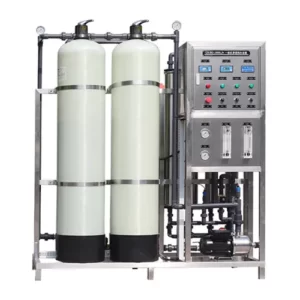
| Membrane (RO/UF) | Seawater, high-toxin areas | Viruses, salts, microplastics |
| Biological (Sand) | Lakes, sustainable systems | Bacteria, algae via microbacteria |
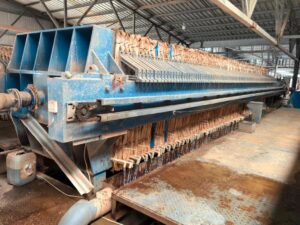
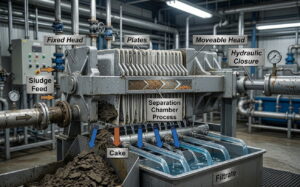
| Pressure Filters | Industrial wastewater | Floc, suspended solids |
Real-World Case: In 2025, Cape Town’s drought response leans on biological slow sand filters—relying on bacterial “schmutzdecke” layers to purify recycled sewage into drinking water.
Why Filtration Is Non-Negotiable for Health and Industry
For Drinking Water: A Lifeline
Consider Flint, Michigan. Lead contamination poisoned thousands due to insufficient filtration. Proper systems prevent tragedies by removing:
- Pathogens: 1 gram of feces can host 10⁶ viruses (Campden BRI, 2025).
- Carcinogens: Like PFAS “forever chemicals” linked to cancer.
Industries Depend on It
- Food/Beverage: 1 particle per 100ml can ruin whole batches (FDA 2025 thresholds).
- Pharma: Ultra-pure water prevents reaction contamination.
- Power Plants: Filters prevent mineral buildup in cooling systems.
Environmental Impact
Wastewater filtration stops toxins like mercury from entering ecosystems—protecting salmon runs and coral reefs.
Filtration’s Crucial Role in the 2025 Water Treatment Cycle
Water isn’t magically cleaned. Filtration partners with pretreatment steps:
- Coagulation: Adding aluminum sulfate traps dissolved junk into “floc.”
- Sedimentation: Floc sinks for easy removal.
- Filtration: Removes remaining particles and microbes—polishing water clarity by removing 90% of turbidity.
- Disinfection: Chlorine or UV light kills surviving pathogens.
💡 Pro Tip: Want crisp, chlorine-free water? Pair activated carbon with UV—the combo wipes out toxins AND germs without chemical aftertaste.
Choosing Your Water Filtration System: 3 Make-or-Break Factors
Bleeding money on ineffective filters? Avoid rookie mistakes:
- Contaminant Profile Test water first (use EPA-recommended kits). High arsenic? Choose RO. Hard water? Ion exchange.
- Volume Needs Households need 5–10 gallons/day systems. Restaurants need 100+ GPD commercial units.
- Maintenance Costs Activated carbon exhausts in 2 months; membranes last 2–5 years. Budget $50–$200 annually for upkeep.
✅ 2025 Upgrade: Smart filters like AquaGuard sync with apps, alerting you when contaminants spike or filters expire—no guesswork.
The Future of Filtration: 2025 Innovations You Can’t Ignore
Tech is revolutionizing this ancient process:
- Graphene Filters: Filters 10× faster than RO and blocks nanoparticles (MIT, 2024).
- AI-Driven Systems: Predict contaminant surges using weather data.
- Bio-Hybrid Filters: Engineered bacteria that “eat” oil spills or nitrates.
Expect 60% lower costs by 2030 as solar-powered nano-filters hit mass production.
Wrapping Up: The Heartbeat of Clean Water
What is filtration in water treatment? It’s the guardian that stands between contamination crises and the glass of water in your hand—using physics and chemistry to obliterate threats. As 2025 unfolds, investing in advanced filtration isn’t just smart; it’s survival. Test your water. Know your filters. Because when purity is non-negotiable, understanding filtration isn’t optional. 🚰💧



 English
  German
  Spanish
  French
  Italian
  Russian
  Turkish
  Dutch
Dutch  Polish