
So you’ve heard about filter press machines but aren’t quite sure what they do or how they could help your operation?
I get it.
When I first learned about industrial filtration equipment, filter presses seemed complicated and mysterious.
But here’s the thing:
What is a Filter Press Machine
The filter press machine is actually a straightforward piece of equipment that uses pressure to separate solids from liquids in slurry or sludge. Think of it as a giant, industrial-strength coffee filter that can handle everything from mining waste to pharmaceutical products.
And in this guide, as a professional filter press manufacturer, I’m going to break down EVERYTHING you need to know about filter presses.
Let’s dive in.

How Filter Presses Actually Work
Here’s where things get interesting.
A filter press doesn’t just randomly squeeze liquid out of sludge. There’s actually a precise process happening inside those steel frames.
The basic operation goes like this:
1. Slurry Feeding
First, you pump your slurry (that’s your mixture of solids and liquids) into the press. The slurry fills up chambers formed between the filter plates.
2. Filtration Phase
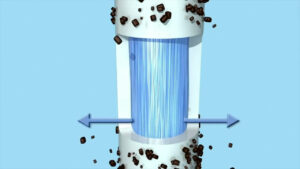
This is where the magic happens. The liquid (called filtrate) passes through the filter cloth while the solid particles get trapped. It’s like straining pasta, but way more industrial.
3. Cake Formation
As more slurry enters, solid particles build up on the filter cloths. These solids compress together, forming what we call a “filter cake.”
4. Squeezing Time
Now the pressure really ramps up. Some filter presses use inflatable membranes to squeeze even MORE liquid out of that cake.
5. Cake Discharge
Once the chambers are full of compressed solids, the plates open up and the filter cake drops out.
Pretty straightforward, right?
But here’s what’s REALLY cool:
Modern filter presses can achieve moisture removal rates that would make other dewatering equipment jealous. We’re talking about turning soupy sludge into a solid cake with 25-50% dryness.
The Main Components of Filter Press (And Why They Matter)
Let me break down the key parts of a filter press. Because understanding these components is crucial if you want to optimize your operation.
Filter Plates
These are the backbone of your press.
Filter plates create the chambers where all the action happens. They come in different sizes (from tiny 150mm lab units to massive 2000mm industrial beasts).
Most plates today are made from polypropylene because it’s:
- Chemical resistant
- Lightweight
- Durable
- Cost-effective
Filter Cloth
This is where the rubber meets the road.
Your filter cloth is what actually separates the solids from the liquids. Choose the wrong cloth, and your entire operation suffers.
The best filter cloths are made from materials like:
- Polypropylene
- Polyester
- Polyamide
Pro tip: The right cloth depends on your specific application. What works great for mining slurry might fail miserably with pharmaceutical products.
Hydraulic System
This is the muscle of your filter press.
The hydraulic system creates the pressure needed to:
- Close the plates
- Maintain seal integrity
- Generate filtration pressure
Most systems operate between 6-16 bar, though some high-pressure units can go even higher.
The Frame
Think of this as the skeleton holding everything together.
A good frame needs to be:
- Rigid enough to handle pressure
- Corrosion resistant
- Properly sized for your plate stack
Manifold System
This is your traffic control system.
The manifold directs slurry into the press and filtrate out. It includes all the piping, valves, and connections that make the whole system work.
Types of Filter Presses (Which One Do You Need?)
Not all filter presses are created equal.
Different industries need different solutions. Here are the main types you’ll encounter:
Plate and Frame
This is the classic design.
Plate and frame presses alternate between filter plates and frames. They’re simple, reliable, and great for applications with lower solids content.
Recessed Chamber
Here’s where things get more efficient.
Recessed chamber presses use specially designed plates with concave surfaces. This design:
- Handles higher solids concentrations
- Provides better cake release
- Offers more consistent performance
I’ve seen these dominate in wastewater treatment facilities.
Membrane Filter Press
Want to squeeze out every last drop?
Membrane presses add flexible diaphragms behind the filter cloth. After initial filtration, these membranes inflate to compress the cake even further.
The result?
Drier cakes and better dewatering performance.
Automatic Filter Presses
For high-volume operations, automation is KEY.
These presses feature:
- Automatic plate shifters
- Programmed operation cycles
- Minimal manual intervention
- 24/7 operation capability
Perfect for mining operations or large municipal plants.
Real-World Applications
Filter presses aren’t just sitting in labs somewhere. They’re working hard in industries you interact with every day.
Wastewater Treatment
This is the big one.
Municipal and industrial wastewater plants use filter presses to:
- Dewater sewage sludge
- Process industrial waste
- Meet discharge requirements
- Reduce disposal costs
I’ve seen facilities cut their sludge volume by 80% or more.
Mining and Minerals
Mining operations LOVE filter presses.
Why?
Because they can:
- Dewater mineral concentrates
- Process tailings
- Recover valuable materials
- Meet environmental regulations
Plus, the dry cake is easier to transport and store.
Chemical Manufacturing
Chemical plants use filter presses for:
- Separating reaction products
- Recovering catalysts
- Processing waste streams
- Purifying intermediates
The ability to handle aggressive chemicals makes filter presses invaluable here.
Food and Beverage
Surprised? Don’t be.
Food processors use filter presses for:
- Extracting oils
- Processing food waste
- Clarifying beverages
- Separating solids from liquids
That beer you’re drinking? There’s a good chance a filter press helped make it crystal clear.
Pharmaceuticals
In pharma, purity is EVERYTHING.
Filter presses help:
- Separate active ingredients
- Process intermediates
- Handle waste streams
- Meet strict quality standards
The Numbers Game: Sizing Your Filter Press
Here’s something most guides skip over:
How do you actually SIZE a filter press?
Let me walk you through a real example:
Say you’ve got:
- 10 cubic meters of sludge per day
- 3% solids content
- Target: 30% cake dryness
Here’s the math:
- Calculate dry solids: 10 m³ × 1,100 kg/m³ × 3% = 330 kg/day
- Calculate cake volume: 330 kg ÷ 0.3 ÷ 1,400 kg/m³ = 786 liters/day
- Determine cycles: 2 cycles per day = 393 liters per cycle
- Select plates: 393 liters ÷ 19.7 liters/plate = 20 chambers needed
Boom. You need a 20-chamber press.
Operating Tips That Actually Work
I’ve seen too many operations struggle because they ignore the basics.
Here’s what REALLY matters:
1. Pre-treatment is Critical
Don’t skip conditioning.
Adding the right flocculants or coagulants can:
- Improve filtration rates
- Increase cake dryness
- Reduce cycle times
- Lower operating costs
2. Monitor Your Pressure
Pressure tells you everything.
When pressure stops increasing, your chambers are full. Pushing harder won’t help – it’s time to discharge.
3. Keep Those Cloths Clean
Dirty cloths = poor performance.
Regular cleaning:
- Maintains flow rates
- Prevents blinding
- Extends cloth life
- Ensures consistent results
4. Watch Your Feed Rate
Faster isn’t always better.
Optimal feed rates ensure:
- Even cake formation
- Maximum capacity utilization
- Consistent moisture content
- Reliable operation
Cost Considerations
Let’s talk money.
Filter presses aren’t cheap. But compared to alternatives? They’re often the most economical choice.
Consider this comparison:
Centrifuges:
- Higher energy costs
- More maintenance
- Limited capacity
- Higher operating costs
Belt presses:
- Lower cake dryness
- Higher polymer usage
- More operator attention
- Larger footprint
Filter presses:
- Low energy use
- Minimal maintenance
- High cake dryness
- Smaller footprint
The math usually favors filter presses for long-term operations.
Troubleshooting Common Issues
Even the best equipment has bad days.
Here’s how to fix the most common problems:
Cake Too Wet?
Check:
- Feed concentration
- Cycle time
- Cloth condition
- Chemical dosing
Cloths Blinding?
Try:
- Acid washing
- High-pressure cleaning
- Cloth replacement
- Different cloth material
Uneven Cakes?
Look at:
- Feed distribution
- Plate alignment
- Cloth tension
- Pump performance
Future Trends
The filter press industry isn’t standing still.
Here’s what’s coming:
Smart Controls: IoT integration for remote monitoring and predictive maintenance.
Advanced Materials: New cloth and plate materials for better performance and longevity.
Higher Pressures: Systems pushing 30+ bar for ultra-dry cakes.
Automation: Fully robotic systems requiring zero manual intervention.
Making the Right Choice
So, should you invest in a filter press?
If you’re dealing with:
- High-volume slurry
- Strict disposal regulations
- Rising disposal costs
- Space constraints
Then yes, a filter press probably makes sense.
But remember:
The right press depends on YOUR specific needs. What works for a mining operation won’t necessarily work for a food processor.
The Bottom Line
What is a filter press machine? It’s your solution for turning problematic slurry into manageable solids and clean water.
Whether you’re running a wastewater plant, mining operation, or chemical facility, understanding filter press technology is crucial for efficient operations.
The key is matching the right type of press to your specific application. Get that right, and you’ll see immediate improvements in:
- Disposal costs
- Environmental compliance
- Operational efficiency
- Overall profitability
Ready to dive deeper into filter press selection? The technology keeps evolving, but the fundamental principle remains the same: applying pressure to separate solids from liquids in the most efficient way possible.





 English
  German
  Spanish
  French
  Italian
  Russian
  Turkish
  Dutch
Dutch  Polish