
In 2025, proper water treatment remains crucial for chilled water systems in commercial buildings and industrial facilities. Controlling corrosion, preventing scale formation, and inhibiting biological growth are key for optimal performance and longevity.
As a professional water treatment supplier, I wrote this definitive guide to provide building owners, facility managers, and maintenance personnel everything needed regarding treating water in chilled water loops.

Why Water Treatment for Chilled Water System Matters
Chilled water systems use water or a water/glycol solution to remove heat from process equipment or occupied spaces for air conditioning. The liquid absorbs heat through chillers, cooling coils, and other heat exchangers before recirculating back to recover more heat.
Without treatment, chilled water loops experience:
- Corrosion causing leaks and equipment damage
- Scale buildup reducing efficiency
- Biological fouling from biofilm and bacteria
Water treatment helps prevent these issues through specialized chemicals and filtration. Treatment controls corrosion, suspends scale-forming minerals, and hinders biological growth.
Well-maintained loops last longer and require less maintenance. Treatment also improves efficiency, further cutting operating expenses.
Water Treatment For Chilled Water System
Chemical Treatment Components
Chemical treatment involves adding specialized chemicals to chill water to achieve specific goals:
Corrosion Inhibitors
Inhibitors protect metal components against corrosion through protective barrier layers. Common options include nitrite, molybdate, silicate, and polyphosphate.
Scale Inhibitors
These chemicals prevent mineral scale by suspending hardness ions. Phosphonates and polymers are typical scale inhibitors for chilled water.
Biocides
Both oxidizing and non-oxidizing biocides kill bacteria and hinder further growth. Oxidizers include chlorine, bromine, ozone, and hydrogen peroxide while non-oxidizers use isothiazolin or glutaraldehyde.
Other Chemicals
Additional treatment components help optimize water conditions. These include acids and bases for pH control, polymers dispersing particulates, and antifoam compounds.
Filtration Equipment
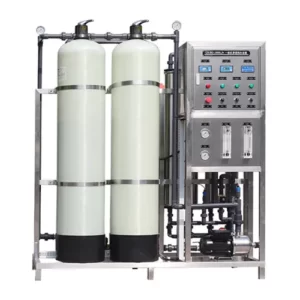
Along with chemical treatment, filtration removes particulates interfering with transfer efficiency or chemical programs.
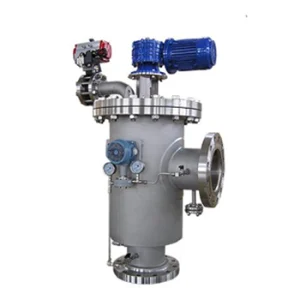
Common approaches include upstream strainers, particulate filters, and sidestream filtration targeting particles 5-10 microns in diameter or smaller. Automatic self-cleaning filters help lower maintenance requirements.
Monitoring
Frequent monitoring allows assessing program performance and diagnosing issues through trend analysis. Typical parameters checked include:
- pH
- Water hardness/alkalinity
- Corrosion rates
- Biological activity
- Chemical residuals
For large systems, specialized controllers continuously monitor conditions and automatically dose treatment chemicals accordingly. Smaller systems rely more on manual testing and chemical addition.
Closed vs. Open Loops
Chilled water systems circulate fluid through closed loops or interface with cooling towers/fluid coolers in open configurations:
Closed Loops
The same water recirculates in a fully closed system with minimal makeup requirements. These systems allow recycling chemicals while keeping treatment concentrations consistent.
Open Loops
Open configurations connect with cooling towers or fluid coolers contacting ambient air. This allows rejecting heat but requires compensating for water losses through evaporation, blowdown, and drift. Makeup water with inconsistent properties also enters from tower basins.
Open systems generally require higher chemical dosages and more testing to account for higher water losses and fluctuating conditions. Exposure to atmosphere also increases corrosion and biological risks.
Chiller Water Treatment Guidelines
Follow these tips ensuring effective, trouble-free water treatment for chilled water loops:
- Test properties of makeup water including hardness, iron levels, pH, and alkalinity
- Thoroughly clean new piping and components eliminating oil, grease, welding/flux residues and other contaminants
- Passivate system metals before startup reducing initial corrosion
- Continually filter sidestreams extracting suspended solids and particulates
- Maintain pH between 6.8-9.2 minimizing corrosion risks
- Target hardness levels below 300 ppm preventing significant mineral scale
- Keep maximum glycol concentrations around 30% for inhibition and pumpability
- Use both oxidizing and non-oxidizing biocides preventing biological resistance
- Engage qualified professionals adjusting programs addressing water analyses
Contact water treatment specialists tailoring sustainable solutions maximizing efficiency, safety, and asset longevity.
The Bottom Line
Over 20 years in the water treatment industry have taught me the importance of properly treating chilled water. Feel free to contact me regarding sustainable treatment solutions protecting your critical investments while saving resources. Here’s to clean, efficient chilled water loops for the next generation!

 English
  German
  Spanish
  French
  Italian
  Russian
  Turkish
  Dutch
Dutch  Polish