
Szybkie podsumowanie
Prasy filtracyjne osiągają 40-80% suchej masy poprzez filtrację ciśnieniową, ale wymagają ręcznej obsługi i 2-4 operatorów na zmianę. Wirówki zapewniają ciągłe przetwarzanie przy 20-60% cząstek stałych z zaledwie 1 operatorem, ale początkowo kosztują 2-3 razy więcej i zużywają 15-45 kWh/m³ w porównaniu do 8-25 kWh/m³.
Wybierz prasę filtracyjną, gdy koszty utylizacji przekraczają $50/tonę i liczy się maksymalna suchość; wybierz wirówkę do pracy 24/7 powyżej 30 m³/godzinę, gdzie wymagana jest automatyzacja.
Czy kiedykolwiek stałeś przed dwoma przemysłowymi odwadniaczami i zastanawiałeś się, który z nich nie rozwali Twojego budżetu i faktycznie wykona swoją pracę?
Byłem tam.
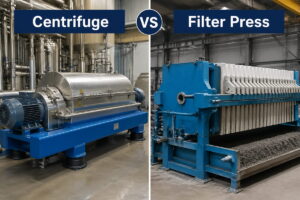
The Wirówka a prasa filtracyjna debata toczy się w zakładach przetwórczych od dziesięcioleci. I nie bez powodu: wybór niewłaściwego może kosztować tysiące zmarnowanej energii, bóle głowy związane z konserwacją i gorsze wyniki.
Obie maszyny oddzielają ciała stałe od cieczy. Ale robią to na ZUPEŁNIE różne sposoby. A te różnice? Mają większe znaczenie, niż mogłoby się wydawać.
W tym przewodniku, jako profesjonalista producent pras filtracyjnych, W oparciu o rzeczywiste dane dotyczące wydajności i rzeczywiste studia przypadków z terenu, opiszę dokładnie, kiedy należy korzystać z każdej technologii.
Brzmi dobrze? Zanurzmy się.
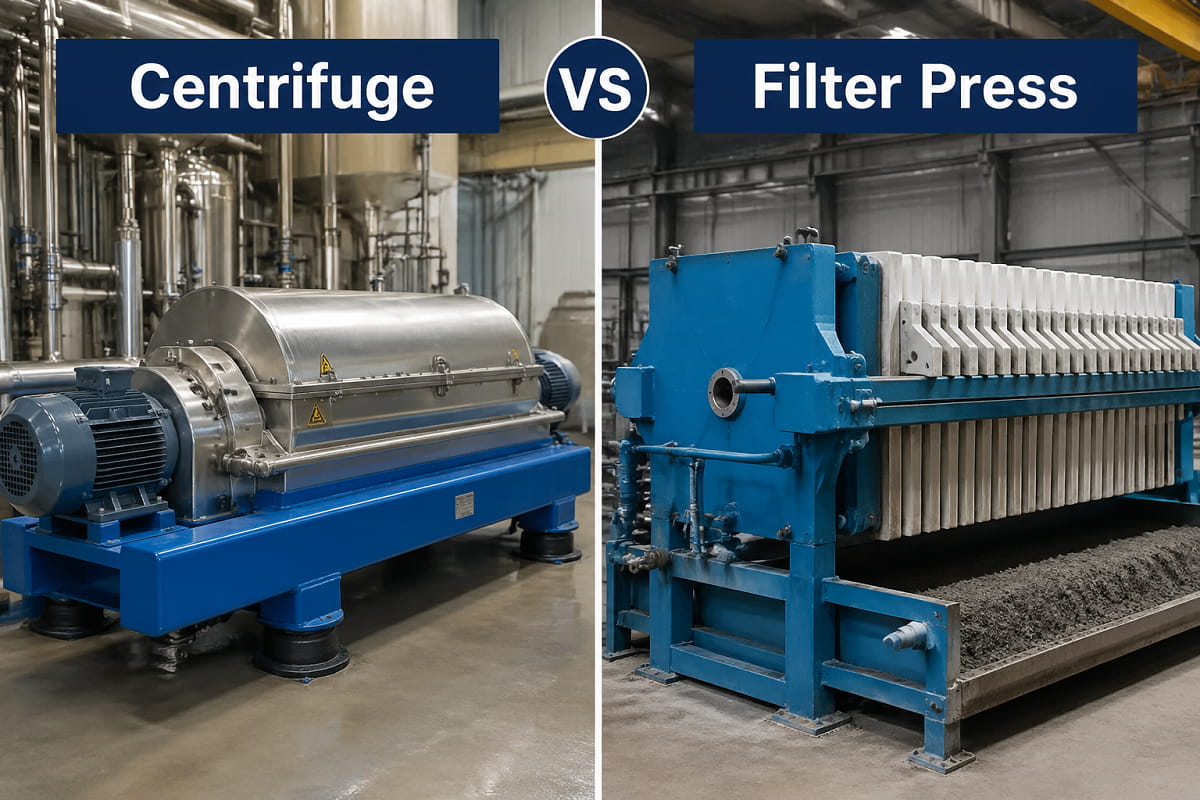
Jaka jest prawdziwa różnica między tymi urządzeniami?
Pomyśl o tym w ten sposób:
Prasa filtracyjna jest jak ściskanie gąbki za pomocą imadła hydraulicznego. Surowa moc, bezpośredni nacisk, suche jak kość rezultaty.
Wirówka? To raczej jak włożenie gąbki do pralki wirującej z prędkością 3000 obrotów na minutę. Szybko, nieprzerwanie, ale może nie tak sucho.
Oto, co faktycznie dzieje się wewnątrz każdego urządzenia:
Prasa filtracyjna: Mistrz ciśnienia
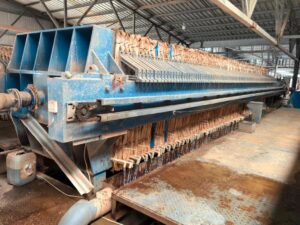
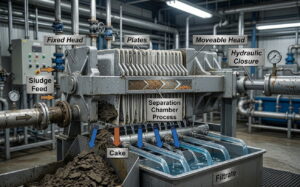
Prasa filtracyjna wykorzystuje ciśnienie mechaniczne do przetłaczania cieczy przez tkaniny filtracyjne.
Proces:
- Pompy szlamu do komór między płytami filtracyjnymi
- Wzrost ciśnienia hydraulicznego (zazwyczaj 100-435 psi)
- Ciecz przeciska się przez materiał
- Ciała stałe zbijają się w gęste “placki”
- Talerze otwierają się, ciastka wypadają
Jest to proces wsadowy. Napełnianie, wyciskanie, opróżnianie, powtarzanie.
Wirówka: Demon prędkości
Wirówka dekantacyjna obraca zawiesinę z szaloną prędkością, tworząc sztuczną grawitację.
Oto jak to zrobić:
- Gnojowica podawana jest w sposób ciągły do obracającego się bębna
- Siły G (2,000-4,000x grawitacja) uderzają ciałami stałymi o ścianę bębna.
- Wewnętrzny przenośnik ślimakowy popycha cząstki stałe w kierunku wylotu
- Oczyszczona ciecz przelewa się na przeciwległym końcu
- Oba strumienie wypływają w sposób ciągły
Bez zatrzymywania się. Żadnych partii. Tylko ciągła separacja.
Wirówka a prasa filtracyjna: Szczegółowe porównanie
Performance Showdown: Liczby
Pozwól, że pokażę ci, jak te maszyny NAPRAWDĘ sprawdzają się w rzeczywistych zastosowaniach:
Suchość ciasta (duża)
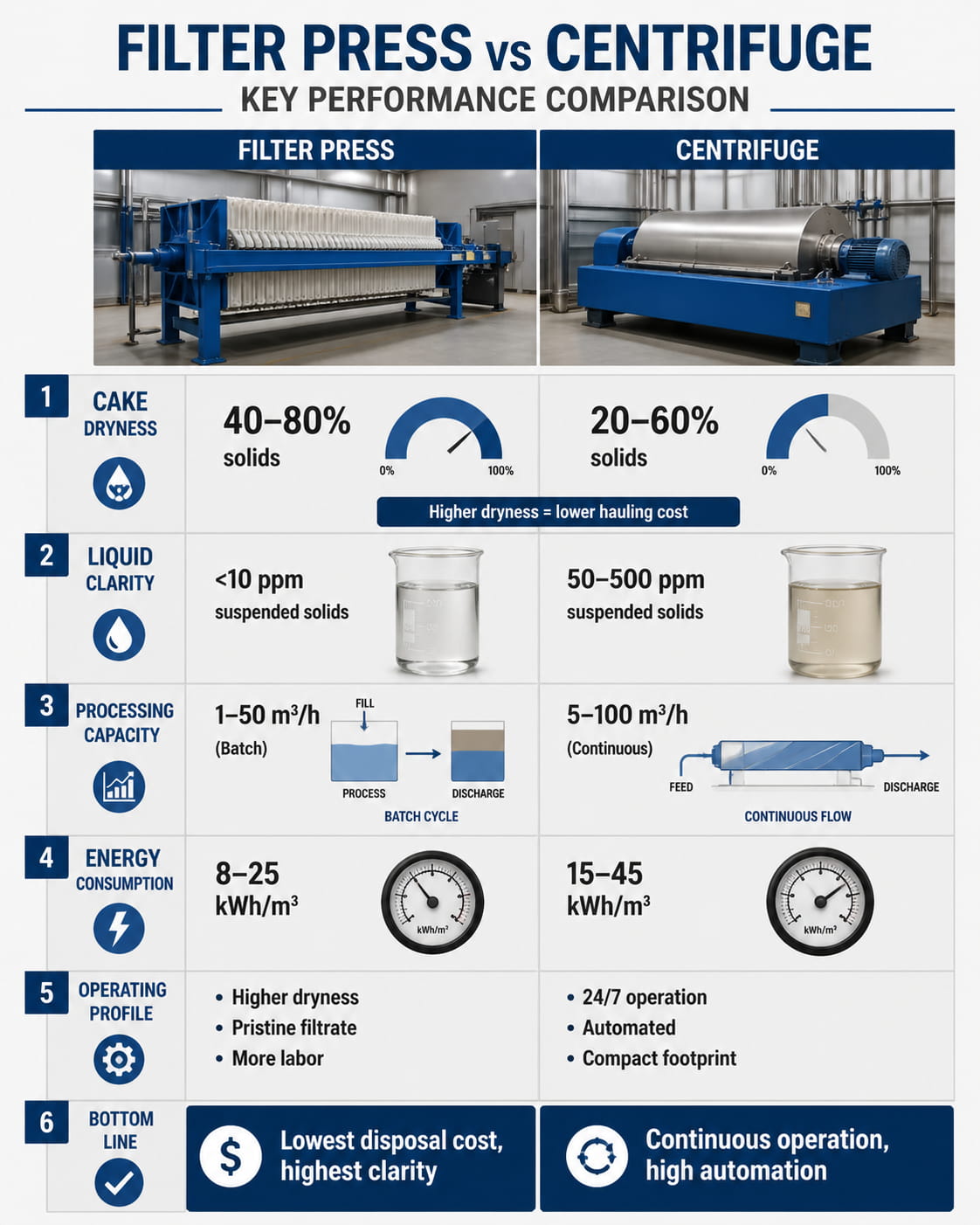
Prasa filtracyjna: 40-80% zawartość substancji stałych
Wirówka20-60% zawartość substancji stałych
Tłumaczenie? Prasa filtracyjna może produkować placki tak suche, że kruszą się w dłoni. Ciastka z wirówki? Często przypominają gęstą pastę do zębów.
Dlaczego ma to znaczenie?
Załóżmy, że usuwasz 100 ton suchych ciał stałych miesięcznie. Z prasą filtracyjną osiągającą suchość 60%, transportujesz łącznie 167 ton. Wirówka o suchości 30%? To już 333 tony.
To PODWÓJNE koszty transportu.
Przejrzystość płynów
Prasa filtracyjna: Krystalicznie czysty filtrat (często <10 ppm zawieszonych ciał stałych)
Wirówka: Dobra klarowność (50-500 ppm zawieszonych ciał stałych)
Tkaniny filtracyjne działają jak bariery absolutne. Jeśli cząsteczka jest większa niż rozmiar porów, nie może się przez nie przedostać. Kropka.
Wirówki wykorzystują różnice gęstości. Drobne cząstki lub te o gęstości podobnej do gęstości cieczy? Mogą się prześlizgnąć.
Zdolność przetwarzania
Prasa filtracyjna: 1-50 m³/h (ograniczona partia)
Wirówka: 5-100 m³/h (ciągły)
Ale w tym rzecz:
Surowe dane dotyczące przepustowości nie mówią wszystkiego. Wirówka pracuje w trybie 24/7. Prasa filtracyjna wymaga przestojów między partiami w celu wyładowania placka i czyszczenia tkaniny.
Rzeczywisty koszt
Przeanalizowałem dziesiątki instalacji. Oto jak naprawdę wyglądają liczby:
Inwestycja początkowa
Mały system (10 m³/godz.)
- Prasa filtracyjna: $50,000-150,000
- Centrifuge: $150,000-300,000
Duży system (50+ m³/godz.)
- Prasa filtracyjna: $200,000-500,000
- Centrifuge: $400,000-1,000,000
Ale zaraz. W tej historii jest coś więcej...
Koszty operacyjne (ukryta prawda)
Tutaj zaczyna się robić ciekawie.
Zużycie energii
- Prasa filtracyjna: 8-25 kWh/m³
- Wirówka: 15-45 kWh/m³
Masywny silnik wirówki pracuje bez przerwy. To szybko się sumuje.
Wymagania dotyczące pracy
- Prasa filtracyjna: 2-4 operatorów na zmianę (rozładunek ręczny)
- Wirówka: 1 operator dla wielu jednostek
Materiały eksploatacyjne
- Prasa filtracyjna: Nowe tkaniny co 500-2,000 cykli
- Wirówka: Polimer często wymagany dodatek ($$$)
Wskazówka: Wiele operacji wymaga polimeru (flokulantu), aby wirówki działały efektywnie. Może to dodać $50-200 na tonę przetwarzanych suchych ciał stałych.
Aplikacje w świecie rzeczywistym
Widziałem sukcesy i spektakularne porażki obu technologii. Oto kiedy każda z nich ma sens:
Kiedy wybrać prasę filtracyjną?
1. Króluje suchość ciasta
Zakłady górnicze uwielbiają prasy filtracyjne. Dlaczego? Wysyłka koncentratu miedzi o wilgotności 10% zamiast 25% pozwala zaoszczędzić ogromne koszty transportu.
2. Potrzebny jest nieskazitelnie czysty filtrat
Zakłady chemiczne często wymagają klarowności filtratu, którą może zapewnić tylko prasa filtracyjna. Brak drobnych cząstek. Brak zanieczyszczeń.
3. Wolumeny są możliwe do zarządzania
Przetwarzanie 20 m³/h w 8-godzinnych zmianach? Prasa filtracyjna poradzi sobie z tym zadaniem bez wysiłku.
4. Masz dostępną siłę roboczą
Masz załogę, która potrzebuje pracy? Obsługa prasy filtracyjnej zapewnia stałe zatrudnienie.
Kiedy wybrać wirówkę?
1. Działasz 24/7
Miejskie oczyszczalnie ścieków nie mogą się zatrzymać. Wirówka idealnie pasuje do ich ciągłego przepływu.
2. Automatyzacja jest obowiązkowa
Morskie platformy wiertnicze potrzebują sprzętu, który działa samodzielnie. Wirówki to zapewniają.
3. Przestrzeń jest ograniczona
Wirówka przetwarzająca 50 m³/h mieści się w kontenerze transportowym. Równoważna prasa filtracyjna? Pomyśl o magazynie.
4. Sprzyjają temu właściwości materiału
Osady zaolejone, płuczki wiertnicze i drobne biologiczne substancje stałe często lepiej oddzielają się w wirówce.
Rzeczywistość konserwacji
Nikt nie mówi o tym wystarczająco dużo. Konserwacja może jednak wpłynąć na zwrot z inwestycji lub go zepsuć.
Konserwacja prasy filtracyjnej
Dobre:
- Proste systemy mechaniczne
- Większość napraw można wykonać przy użyciu podstawowych narzędzi
- Łatwo dostępne części
Złe:
- Wymiana ściereczek jest niechlujna i czasochłonna.
- Mechanizmy przesuwania płyt zużywają się
- Ręczne czyszczenie między partiami
Typowa roczna konserwacja: 3-5% kosztów kapitałowych
Konserwacja wirówki
Dobre:
- Konstrukcja samoczyszcząca
- Zautomatyzowane działanie zmniejsza zużycie
- Dłuższe odstępy między głównymi serwisami
Złe:
- Wymaga wyspecjalizowanych techników
- Łożyska wysokoobrotowe = kosztowne wymiany
- Koszty przebudowy przewijania mogą sięgnąć $50,000+.
Typowa roczna konserwacja: 5-8% kosztów kapitałowych
Uwagi dotyczące środowiska i bezpieczeństwa
Porozmawiajmy o tym, co faktycznie dzieje się w zakładzie:
Prasa filtracyjna:
- Otwarty wylot = potencjalny wyciek
- Ręczna obsługa placka filtracyjnego
- Pranie tkanin powoduje powstawanie ścieków
- Niższe zużycie energii = mniejszy ślad węglowy
Wirówka:
- Praca w zamknięciu
- Brak ręcznej obsługi ciasta
- Wyższe zużycie energii
- Ciągłe stosowanie polimeru (jeśli wymagane)
Podsumowanie? Wirówki są czystsze, ale energochłonne. Prasy filtracyjne oszczędzają energię, ale wymagają więcej sprzątania.
Wirówka a prasa filtracyjna - infografika
Zaawansowane strategie wyboru
Oto jak profesjonaliści podejmują decyzje:
Liczby (prawidłowo)
Nie porównuj tylko cen zakupu. Oblicz:
- 10-letni całkowity koszt posiadania
- Koszt za przetworzoną suchą tonę
- Różnice w kosztach utylizacji
- Wartość odzyskanej wody
Przetestuj swój rzeczywisty materiał
Testy laboratoryjne kłamią. Testy pilotażowe mówią prawdę.
Wynajem sprzętu pilotażowego. Uruchom swoją zawiesinę. Pomiar:
- Rzeczywista osiągnięta suchość ciasta
- Wymagania dotyczące polimerów
- Czasy cykli (prasa filtracyjna)
- Szybkość zużycia (wirówka)
Rozważ podejście hybrydowe
Niektóre rośliny używają obu. Przykład:
- Wirówka do odwadniania wstępnego (redukcja objętości)
- Prasa filtracyjna do końcowego polerowania (maksymalna suchość)
Wykorzystuje to ciągłą pracę wirówek z doskonałym odwadnianiem pras filtracyjnych.
Podejmowanie ostatecznej decyzji
Po przeanalizowaniu setek instalacji, oto moja struktura:
Wybierz prasę filtracyjną, jeśli:
- Koszty utylizacji > $50/tonę
- Wymagana zawartość suchej masy > 35%
- Przetwarzanie wsadowe dopasowane do Twojej działalności
- Jakość filtratu ma znaczenie
- Koszty pracy < $25/godz.
- Budżet kapitałowy jest napięty
Wybierz wirówkę, jeśli:
- Prowadzenie operacji ciągłych
- Istnieją ograniczenia przestrzenne
- Koszty pracy > $40/godz.
- Obsługa > 30 m³/godz.
- Materiał ma jednolite, drobne cząstki
- Automatyzacja jest obowiązkowa
Przyszłość odwadniania
Technologia nie stoi w miejscu. Oto, co nadchodzi:
Inteligentne prasy filtracyjne:
- Monitorowanie ciśnienia z obsługą IoT
- Automatyczne pranie tkanin
- Alerty konserwacji predykcyjnej
- Możliwość pracy zdalnej
Wirówki nowej generacji:
- Optymalizacja zmiennej prędkości
- Systemy sterowania oparte na sztucznej inteligencji
- Ceramiczne elementy zużywające się
- Systemy odzyskiwania energii
Ale jest jedna rzecz: fundamentalna fizyka się nie zmieni. Ciśnienie ściska lepiej. Prędkość przetwarza szybciej.
Twój plan działania
- Zdefiniuj swój główny cel: Maksymalna suchość czy praca ciągła?
- Oblicz rzeczywiste koszty: Obejmuje robociznę, energię, utylizację i konserwację.
- Przetestuj swój materiał: Nigdy nie ufaj ogólnym danym dotyczącym wydajności
- Rozważ swoje ograniczenia: Przestrzeń, dostępność siły roboczej, budżet kapitałowy
- Plan na przyszłość: Gdzie będzie Twoja firma za 5 lat?
Prawdziwy wynik finansowy
The Wirówka a prasa filtracyjna Decyzja nie dotyczy tego, która technologia jest “lepsza”. Chodzi o to, która z nich jest zgodna z konkretną operacją.
Widziałem zakłady, które oszczędzały miliony dzięki prawidłowemu wyborowi. Widziałem też operacje sparaliżowane przez niewłaściwy wybór.
Zrób to dobrze, a zoptymalizujesz cały proces downstream. Jeśli zrobisz to źle, będziesz walczyć z tą decyzją każdego dnia.
Poświęć trochę czasu. Przeprowadź testy. Dokonaj mądrego wyboru.
Ponieważ ostatecznie najlepszym systemem odwadniania jest ten, który faktycznie działa w TWOIM zastosowaniu, a nie ten, który działał u kogoś innego.




 Polish
  English
  German
  Spanish
  French
  Italian
  Russian
  Turkish
  Dutch
Dutch